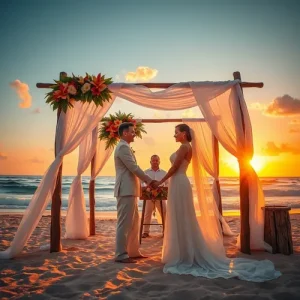
Best Wedding Venue: 7 Proven Factors That Matter
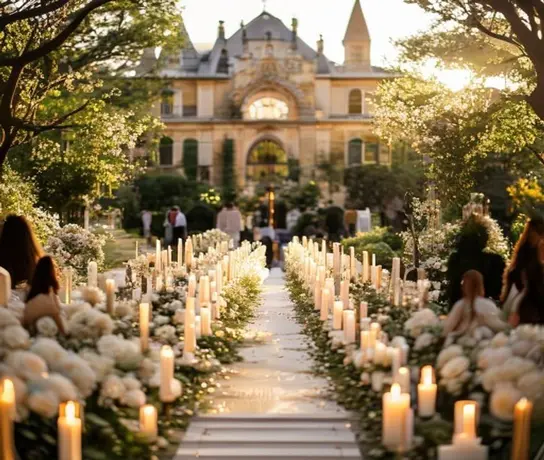
best wedding venue
Beyond Aesthetics: Core Pillars of the Best Wedding Venue Experience
While the visual charm of a venue is undeniable, its true value lies in its functionality and alignment with your specific needs. Experts prioritize practicalities long before the decor takes shape.Understanding Your Vision and Non-Negotiables for the best wedding venue
- Guest Count & Layout: Every venue has a comfortable capacity. Ensure your expected guest list fits without feeling cramped or overly sparse. Consider the flow from ceremony to cocktail hour to reception.
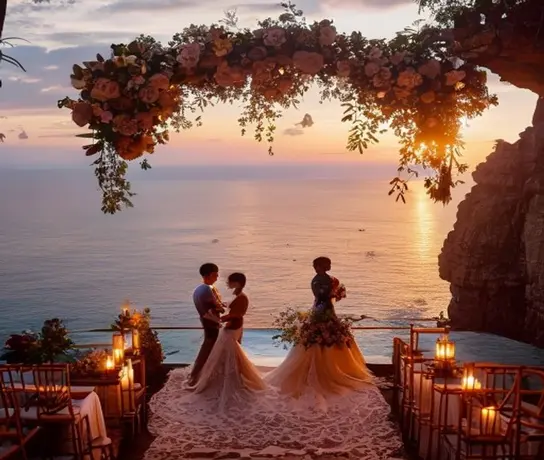
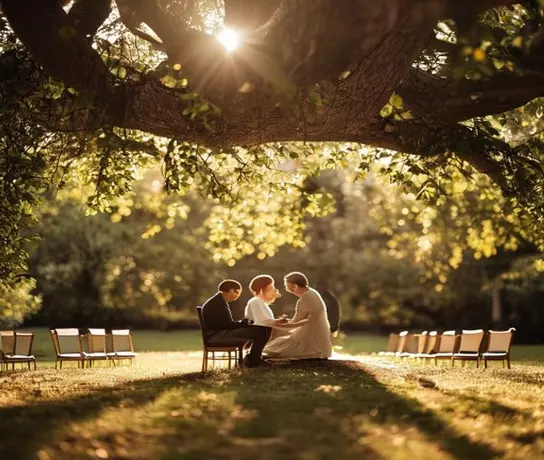
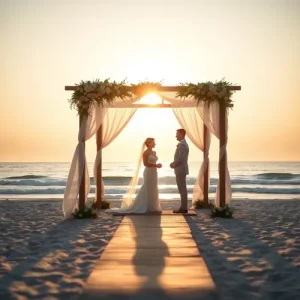
- Seasonal Considerations: An outdoor dream venue needs a robust rain plan. Discuss contingency options for adverse weather, including indoor alternatives or tenting logistics.
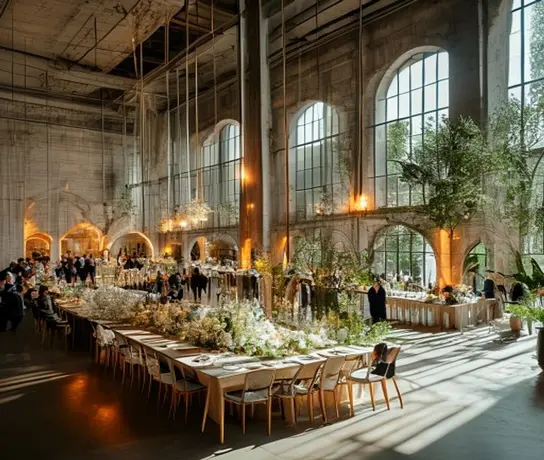
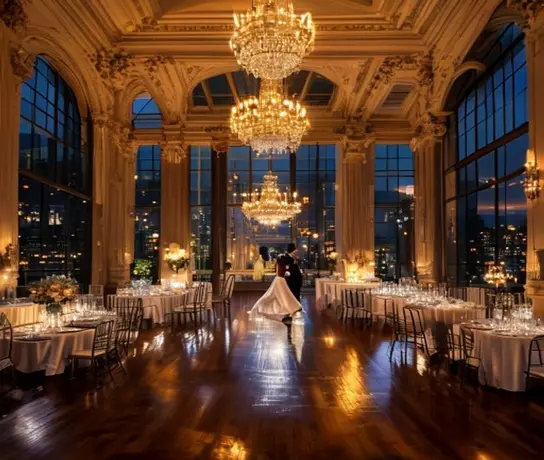
- Style & Ambiance: Does the venue’s inherent character complement your wedding theme? A rustic barn venue will require more effort to transform into a black-tie ballroom, and vice versa.
- Budget Transparency: Go beyond the initial site fee. Inquire about food and beverage minimums, service charges, administrative fees, taxes, and any required security deposits. Understanding the all-in cost is vital.
- Vendor Exclusivity: Some venues mandate using their in-house catering, bar services, or even a specific list of preferred vendors. This can impact your budget and creative freedom. Clarify these policies early.
- Accessibility & Guest Comfort: Ensure ample parking or shuttle access. Evaluate restroom facilities, and confirm ADA compliance for guests with mobility needs. Proximity to hotels is also a common consideration.
The Site Visit: What Experts Look For
A venue tour is more than just admiring the view. It’s a logistical assessment. Seasoned planners examine the venue’s “bones” – how it functions under pressure. Focus on the operational flow. Where will your catering team set up? Are there adequate power outlets for entertainment? What are the load-in and load-out procedures for vendors? These technical details are critical for a seamless event. Best practices for event safety, echoing guidelines from local fire marshals and public health departments, dictate clear egress routes and adequate capacity limits for guest comfort and security. Your venue should clearly articulate its safety protocols.Best Wedding Venue Comparison Checklist
Use this table during your site visits to keep track of critical factors across different options:| Feature | Venue A | Venue B | Venue C |
|---|---|---|---|
| Base Site Fee | |||
| F&B Minimum | |||
| Capacity (Seated) | |||
| Rain Plan Available | |||
| Exclusive Vendors? | |||
| Setup/Teardown Times |
Debunking Common Myths About Finding Your Best Wedding Venue
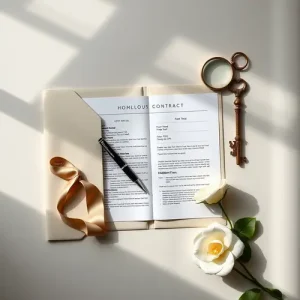
Many couples, captivated by a venue’s beauty, overlook critical clauses. For instance, understanding the ‘force majeure’ clause – what happens if a natural disaster or unforeseen event prevents your wedding? Or clarifying ‘load-in’ and ‘load-out’ times for your vendors. A common pitfall is assuming an on-site coordinator manages all wedding planning resources, when often their role is strictly venue logistics. A detailed contract review, a practice advocated by legal professionals specializing in event services, is paramount. Do not hesitate to seek clarification on any ambiguous points. This proactive approach ensures transparency and protects your investment.The Long-Term Impact of Your Venue Choice
The echoes of your wedding day live on through photographs and memories. The ambiance and backdrop provided by your chosen venue significantly influence these lasting impressions. A well-selected location not only enhances the day itself but also enriches the stories told for years to come. Ultimately, the best wedding venue is one that perfectly encapsulates your personal style while seamlessly handling the intricate logistics of a significant celebration. It’s a place where dreams are realized, grounded in practical execution and expert planning.Set the budget frame first: venue plus catering usually claims half the total, so lock those numbers before flowers or music. Start your best wedding venue hunt twelve months out for peak Saturdays. See bundled savings in catering-included spaces and zero-cost ideas in free venue paths.
Run every best wedding venue site visit the same way: arrive early, test phone signal, check restrooms and parking, and photograph lighting at your event hour. Ask how many weddings run per day and who handles cleanup.
Question vendors directly about load-in windows, overtime fees, and rain plans, writing answers into the contract. The best wedding venue teams answer fast now and respond fast later.
Trust responsiveness as much as beauty: quick, written replies signal smooth coordination later. Sleep on shortlists one night, then commit confidently. Bring a trusted friend whose only job is noticing details missed in the excitement, then decide within forty-eight hours before prime dates slip away. Shortlists longer than three options only delay the deposit.
How far ahead should we book the best wedding venue?
Nine to fourteen months suits popular Saturdays, while Fridays and Sundays need less lead time. Start touring once the guest count firms up. Early holds protect preferred dates.
What hidden fees surprise couples?
Overtime, cleanup, cake-cutting, and vendor meals top the list. Ask for an itemized quote with taxes and service charges. Written answers prevent day-of shocks.
Indoor or outdoor for reliability?
Outdoor delights but demands tents, permits, and weather plans. Indoor guarantees comfort with fewer variables. Many couples blend both with convertible spaces.
Consider seasonal fall wedding ideas for decor.
Autumn dates shine with these fall wedding ideas.