The Ultimate Destination Wedding Guide: How to Plan, Budget, and Navigate Legal Requirements

destination wedding
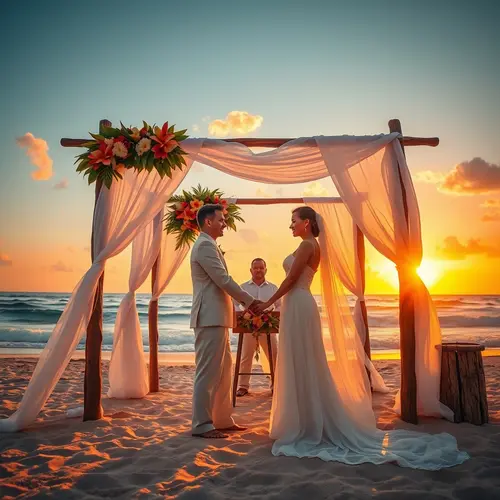
A destination wedding is far more than a ceremony; it is an immersive getaway that combines your wedding celebration with an unforgettable vacation for your closest family and friends. Exchanging vows away from your hometown offers dramatic backdrops and unique cultural experiences, but it also introduces complex logistics—ranging from foreign marriage laws to international vendor coordination.
To pull off a stress-free celebration abroad, couples must approach the planning process with structure, precise scheduling, and professional guidance. This comprehensive guide breaks down the essential steps to manage your budget, select the perfect location, navigate legal paperwork, and deliver an exceptional experience for your guests.
1. Destination Wedding Essential Logistics and Budget Management
Successful destination wedding planning begins with a clear, realistic financial strategy. Unlike a traditional local wedding, a destination event shifts a significant portion of your spending toward travel, guest hospitality, venue logistics, and import fees.
Industry benchmarks show that allocating 30 percent of your total budget to travel and logistics helps prevent unexpected expenses from derailing your plans.
To keep your finances organized across multiple currencies and international vendors:
-
Maintain a Centralized Tracking System: Use a dedicated digital spreadsheet or planning tool to monitor vendor contracts, deposit schedules, exchange rates, and real-time RSVPs.
-
Establish a Currency and Contingency Buffer: Currency fluctuations, local taxes, and unexpected overtime fees can add up quickly. Reserve a 10% to 15% budget cushion specifically for unexpected local charges.
-
Identify Local Tax Exemptions: Partner with a seasoned local planner who understands local tax laws; negotiating regional tourism exemptions or vendor package deals can save thousands of dollars.
2. Choosing the Right Destination Wedding Location
Selecting the right venue requires balancing your aesthetic vision with practical travel logistics for your guests. Weather cycles, marriage license requirements, and direct flight availability should sit at the top of your decision matrix.
Before locking in a deposit, review key regional factors:
| Region | Marriage License Lead Time | Peak Weather Season | Estimated Average Guest Travel Cost | Key Advantage |
| Caribbean | 1–3 Days | December – April | $2,200 | All-inclusive resort options & quick flight connections from the US |
| Mexico | 2–4 Days | November – April | $1,800 | Accessible travel routes, rich culture & high-value venue packages |
| Europe (Schengen) | 30–60 Days | May – September | $3,500 | Historic architecture, luxury catering & memorable excursion spots |
| Hawaii | Same Day | Year-round | $2,800 | Domestic US legal requirements paired with a tropical landscape |
Pro Tip: Cross-reference U.S. Department of State country-specific travel guides with major airline route maps to ensure your destination remains easily accessible for guests of all ages.
3. Destination Wedding – Navigating International Legal Requirements and Paperwork
Failing to verify legal marriage requirements early is one of the most common oversights couples make when planning abroad. Foreign civil registries often enforce mandatory residency waiting periods, blood test requirements, or extensive document translation processes.
To guarantee your legal ceremony goes smoothly:
-
Verify Civil Registry Rules: Contact the local embassy or municipal clerk at your target destination at least 6 to 9 months before your event.
-
Obtain Apostilles and Certified Translations: Official legal documents (such as birth certificates or single-status affidavits) frequently require certified translations and an official Apostille stamp for foreign validity.
-
Confirm Home State Reciprocity: Double-check whether your home state requires additional filings upon your return. Many couples opt to complete the legal paperwork at a local courthouse before departing, treating the destination event as a symbolic ceremony to simplify legal procedures.
4. Assembling a Local Destination Wedding – Vendor Team and On-Site Support
Coordinating photographers, florists, caterers, and AV technicians across different time zones demands a centralized point of contact. Language barriers and local regulations regarding imported decor can cause sudden delays if not managed properly.
-
Hire an Accredited Local Planner: Work with a coordinator who holds membership in recognized professional networks, such as the International Association of Wedding Planners (IAWP). A skilled local professional speaks the local language, manages venue contracts, and handles customs clearance for imported items.
-
Conduct a Site Visit: Plan an on-site visit or detailed virtual walkthrough at least six months prior to the wedding to inspect spatial layouts, sample food menus, and test sound setups.
-
Streamline Communications: Establish a single communication hub (such as a shared project portal) to ensure all vendor updates, timelines, and floor plans remain accurate.
5. Destination Wedding – Streamlining Guest Travel Logistics and Experience
Your guests are making a significant financial and time commitment to celebrate with you. Providing clear, proactive communication ensures they feel supported throughout their journey.
Key strategies for guest satisfaction:
-
Publish a Comprehensive Wedding Website: Detail your itinerary, recommended airport hubs, group booking codes, dress codes, and local climate expectations.
-
Pre-Arrange Ground Transportation: According to data from the American Society of Travel Advisors (ASTA), group events that organize dedicated airport and venue shuttles record 22 percent higher guest satisfaction scores.
-
Distribute Welcome Packets: Provide guests with localized maps, emergency contacts, local currency guidelines, and a welcome schedule upon arrival at their hotel.
6. Destination Wedding – Proactive Risk Mitigation: Insurance and Contingencies
When host locations depend on seasonal weather patterns, protecting your investment is mandatory.
Always secure a comprehensive destination wedding insurance policy that explicitly covers:
-
Extreme weather disruptions and tropical storm delays.
-
Vendor bankruptcy or sudden cancellations.
-
Lost or damaged luggage containing wedding attire and critical equipment.
-
Medical emergency coverage during international travel.
Treating your destination wedding like an organized project with firm milestones—rather than just a casual holiday—ensures your celebration remains stress-free, legally sound, and memorable for everyone involved.