US Wedding Venue: 7 Tips to Choose Right
US wedding venue
Establishing Your Vision Before Venue Selection
Before touring properties, a clear vision is essential. This foundational step prevents wasted time and potential disappointment. Key elements include establishing a realistic budget, estimating your guest count, and defining your desired aesthetic. Your budget should encompass not just the venue fee, but also catering, rentals, and potential travel costs for guests. A guest count directly influences venue capacity requirements and catering expenditures. Finally, deciding on a general vibe—be it rustic, elegant, modern, or intimate—narrows the field considerably.Navigating Diverse US Wedding Venue Types
The United States offers an expansive array of venue options, each with unique characteristics and considerations. From historic estates to modern city lofts, understanding the common types helps streamline the search.Understanding Key Venue Categories
- Hotels & Resorts: Often provide comprehensive packages, in-house catering, and accommodation. Ideal for out-of-town guests, but may lack unique character.
- Barns & Farms: Popular for rustic or bohemian themes, offering scenic backdrops. May require bringing in many external vendors for catering, rentals, and restrooms.
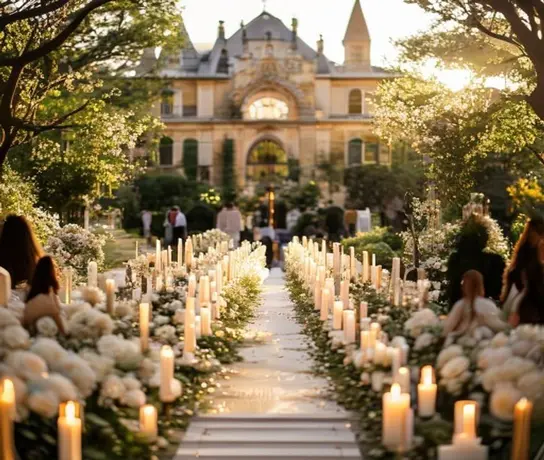
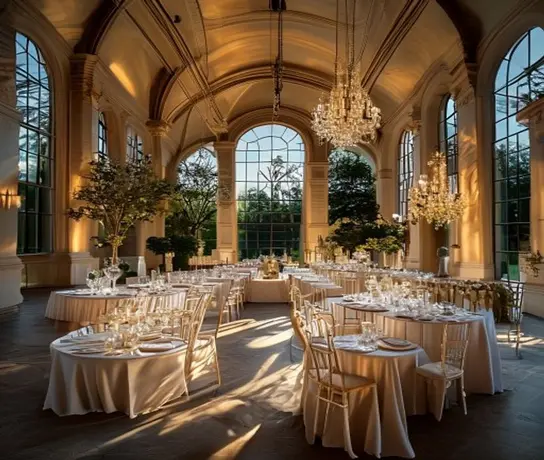
- Estates & Mansions: Provide a luxurious, private setting. Often come with exclusivity and grand aesthetics, but can be more restrictive on vendors.
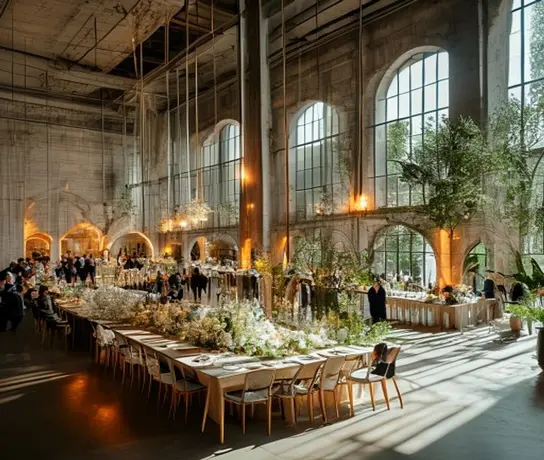
- Industrial & Lofts: Offer a contemporary, urban feel with a blank canvas for customization. Typically found in metropolitan areas.
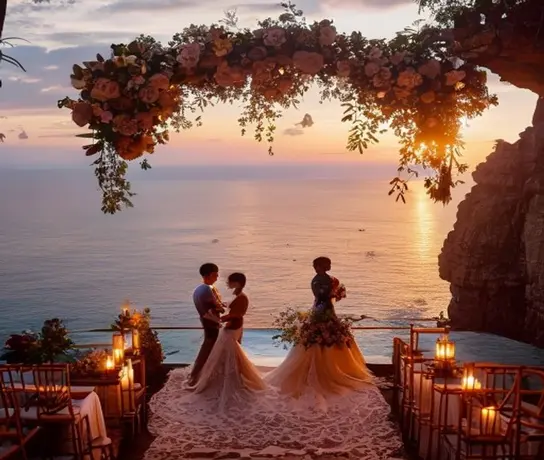
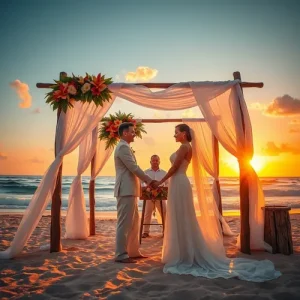
- Gardens & Outdoor Spaces: Beautiful for ceremonies and receptions, but demand robust weather contingency plans.
- Unique Venues: Museums, breweries, wineries, and art galleries offer distinct atmospheres and memorable experiences.
Critical Contract Nuances to Review
The venue contract is a complex document requiring careful review. Beyond the basic site fee, key terms like food and beverage minimums, service charges, cancellation policies, and vendor exclusivity clauses hold significant financial implications. Many venues enforce an F&B minimum, a set amount that must be spent on catering services, regardless of guest count. Service charges, typically 20-25%, are distinct from gratuity and often cover administrative costs. Industry experts, such as those at the Association of Wedding Professionals International, consistently advise reviewing cancellation and postponement clauses meticulously, especially regarding deposits and payments. Expert Opinion: The “All-Inclusive” Illusion A common misconception is that “all-inclusive” venues truly cover every single element. While they simplify planning by bundling services like catering, basic décor, and often a coordinator, they rarely include elements like photography, specialized entertainment, advanced floral arrangements, or premium bar upgrades. Always request a detailed line-item breakdown to understand precisely what is, and is not, covered. This prevents budgetary surprises later in the planning process.Essential Questions to Ask Every Prospective US Wedding Venue
During site visits, asking the right questions ensures clarity and helps identify potential red flags. Here’s a concise checklist:- What is included in the rental fee? (e.g., tables, chairs, linens, setup/teardown)
- What are the specific dates and times of availability?
- What is the maximum capacity for both ceremony and reception?
- Are there any food and beverage minimums or preferred vendor lists?
- What are the venue’s cancellation and postponement policies?
- Is there an in-house venue coordinator, and what are their exact responsibilities?
- What are the restrictions on décor, sound, or alcohol?
- Is there a backup plan for inclement weather for outdoor spaces?
- What are the parking facilities and accessibility options for guests and vendors?
Comparing Venue Types: Key Considerations
To aid in decision-making, a comparative look at common venue features can be incredibly useful:| Venue Type | Average In-House Inclusions | Flexibility for Outside Vendors | Typical Ambiance | Potential Hidden Costs |
|---|---|---|---|---|
| Hotels/Resorts | Catering, tables, chairs, basic linens, coordinator | Low (often require in-house catering) | Formal, elegant, convenient | Corkage fees, upgrade costs for décor |
| Barns/Farms | Space only, sometimes basic tables/chairs | High (often ‘carte blanche’) | Rustic, charming, relaxed | Rentals (linens, dishware, restrooms), extensive decor |
| Estates/Mansions | Space, sometimes basic rentals, limited catering | Medium (preferred vendor lists common) | Luxurious, private, sophisticated | Exclusive vendor fees, extensive site fees |
| Industrial/Lofts | Space only, sometimes basic AV | High (often a blank canvas) | Modern, urban, customizable | Full rentals (furniture, kitchen, lighting) |
The Site Visit: Beyond the Aesthetics
While aesthetics are important, a venue’s logistical flow impacts the guest experience significantly. During a site visit, pay attention to the layout for guest movement, restroom availability, and ease of access for vendors. Consider the acoustics, lighting, and HVAC systems. Envision the event in progress: where will guests gather for cocktail hour? Is there adequate space for dancing? Are there suitable private areas for the wedding party? These practical observations often reveal challenges not apparent in photographs.Regional Nuances for Your Venue Search
The vast geography of the United States means regional differences profoundly influence venue availability, style, and cost. For example, urban centers like New York or Los Angeles offer myriad industrial lofts and grand ballrooms, often at a premium. Conversely, the Pacific Northwest and the South feature an abundance of rustic barns and scenic vineyards. Coastal regions often command higher prices for waterfront properties, while mountain regions provide breathtaking natural backdrops with distinct seasonal considerations. Researching specific regional trends, even if not explicitly advertised as “current,” can offer insights into the typical offerings and price points of a particular locale. Choosing the right US wedding venue is a blend of emotional connection and strategic planning. By prioritizing a clear vision, meticulously reviewing contracts, asking insightful questions, and considering both logistical and aesthetic factors, couples can confidently select a wedding venue that truly sets the stage for their memorable wedding day. Compare options on the The Knot marketplace before touring.Also see our guide to these affordable wedding venue ideas.
Revisit Lessons From Each Venue Tour
After each visit, score each wedding venue on capacity, lighting, acoustics, and backup plans while impressions stay fresh. Photos help, but notes capture smells, noise, and staff warmth that pictures miss. Compare totals apples-to-apples before paying any deposit. See also our top wedding destinations in the USA for getaway ideas.
How far ahead should you book?
Book your wedding venue 9 to 14 months ahead for peak Saturdays. Popular cities fill faster always. Off-season dates offer leverage. Tour at least three sites.
What drives venue cost?
Guest count, season, and catering rules shape wedding venue pricing most. Rentals, staffing, and overtime add up. Ask for itemized quotes. Negotiate perks politely.
Indoor or outdoor?
Outdoor sites photograph beautifully but need rain plans. Indoor halls guarantee comfort year-round. Hybrid spaces balance both. Always ask each wedding venue about backup options.