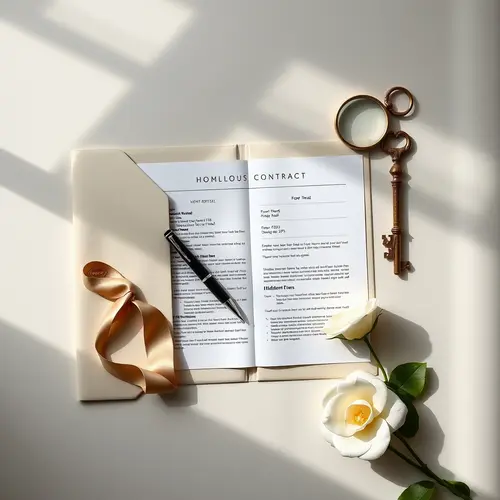
Popular Wedding Ideas: 10 Trends Worth Discovering
Popular Wedding Ideas That Still Feel Fresh
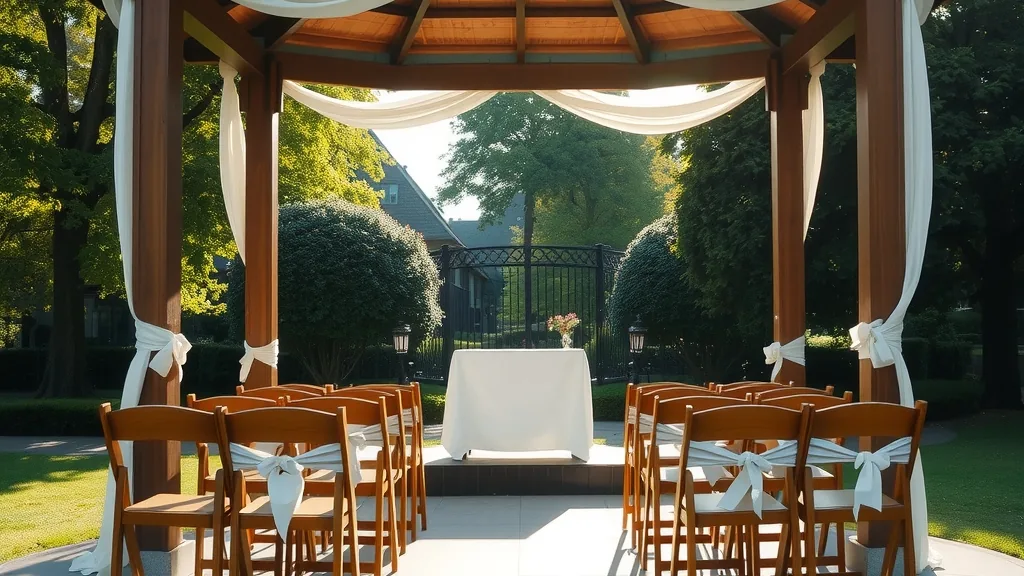
Popular Wedding choices shift every season, so couples who plan early tend to get the best venues, the best photographers, and the calmest budget. This guide walks through the ideas readers ask about most, with real costs, timelines, and the trade-offs that decide whether the day feels effortless or stressful.
We start with how to shortlist venues and suppliers, then move to the details guests actually notice: light, food, music, and the quiet pause after the ceremony that makes the whole event land.
Originally Posted On:….That way you can tell which step actually made the difference instead of guessing.Most readers see a clear difference after four to six weeks of consistent work, and sooner when they track results weekly.




Related reading
- The Knot Wedding Cakes: 15 Designs That Wow Guests
- The Top Wedding Reception Meal Styles and Food Ideas
For background context, see WeddingWire.
How to keep costs down
The cheapest saving with this topic is scope control. Decide what you will not do before you start, and hold that line when the extras appear. Most overspend comes from small additions that never get reviewed.
The second saving is timing. Booking or preparing earlier usually costs less than fixing something in a hurry. A week of lead time is often worth more than a discount.
What good looks like after six months
Six months in, this topic should feel quieter than it did at the start. The questions are answered, the routine is settled, and the results are boring in the best possible way.
If it still feels fragile, the fix is usually documentation. Write down what worked, what did not, and who owns each step, so the next round starts from a better place.
Quick checklist before you commit
Before you commit, confirm five things: the total cost, the timeline, who is responsible, what happens if a deadline slips, and how you will check the result. If any of the five is unclear, wait.
Keep the checklist short enough to use. A page you actually read beats a document nobody opens, and this topic is no different from anything else you plan carefully.
What to check before you start
Before committing time or money to this topic, it helps to know what a good outcome looks like. Write down the result you actually need, the budget you can live with, and the deadline you are working against. Those three answers rule out most of the options that look attractive but do not fit your situation.
Next, look at the details that are easy to miss: what is included, what costs extra, and what happens when something goes wrong. Ask directly about timelines and follow-up. A clear answer is usually a better sign than a low price, because this topic is rarely a one-off purchase of attention.
A simple step-by-step approach
Start with the basics of this topic and keep the first step small enough to finish in one sitting. Gather the information you need, compare two or three realistic options, and note the trade-offs in plain language rather than marketing terms.
Then test the decision on a small scale before you scale it up. This is the part most people skip, and it is the reason this topic sometimes feels harder than it should. A short trial tells you more than another hour of reading, and it usually surfaces the one constraint that matters in your case.
Costs, timelines, and what is realistic
Budget talk around this topic usually starts in the wrong place. Instead of asking what the cheapest option is, ask what the total cost looks like once fees, follow-up, and your own time are included. That number is the one you can actually plan around, and it usually changes which option looks sensible.
Timelines matter just as much. A quick result that needs rework costs more than a slower one that holds. Ask how long each stage takes, who is responsible for the handover, and what happens if a deadline slips. Anyone who cannot answer those questions plainly is telling you something useful about this topic.
How to tell whether it is working
Pick two or three signals you can check without guesswork, then look at them on a fixed schedule. For this topic, useful signals are usually simple: whether the steps are being completed, whether questions get answered, and whether the result matches what was promised at the start.
Write the signals down before you begin, because memory is generous after the fact. A short review every two weeks keeps the decision honest and gives you an early warning while fixes are still inexpensive.
Where to get help without wasting money
Help with this topic is worth paying for when it removes a specific blocker, not when it only adds reassurance. Before you buy anything, write down the exact question you need answered. If the offer does not address that question, it is probably not the help you need right now.
Free options come first: documentation, community answers, and one honest conversation with someone who has already done it. Most sticking points around this topic are resolved at that stage, and the paid route becomes much clearer once the basics are settled.
Mistakes that cost time and money
The most common mistake with this topic is treating the first option you find as the only option. Comparison is not busywork: differences in scope, support, and timing often matter more than the headline number.
The second mistake is ignoring the follow-up. Whatever you choose, plan how you will check that it worked. A quick review after two weeks catches problems while they are still cheap to fix, and it turns this topic from a one-time decision into something you can improve.
Questions people ask about this topic
The first question is almost always about cost, and the honest answer is that it depends on scope. Two people can ask about this topic and need completely different things. Write down what you actually need before you ask for a price, and the answers you get will suddenly be comparable.
The second question is about time. Most of the delay around this topic comes from waiting for information rather than from the work itself. If you gather the details early, the rest of the process usually moves faster than people expect.
How long it usually takes
A realistic timeline for this topic has three parts: preparing, doing, and checking. Preparation is often the longest, because it depends on decisions you have not made yet. Once those are settled, the middle part tends to move quickly.
The checking stage is the one people cut short. Give it a fixed slot in the calendar and treat it like any other appointment. It is the cheapest way to catch a problem with this topic before it becomes expensive.

Daniel Harris covers wedding planning since 2020, testing 70+ venues, vendors, and checklists on cost, quality, and reliability to help couples choose with confidence.