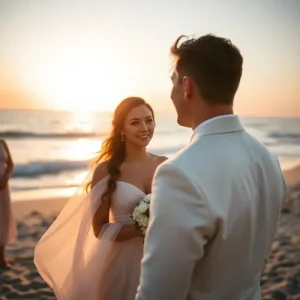
The Ultimate Guide to Caribbean Destination Weddings: Tips, Costs & Top Islands

caribbean destination weddings
Planning a wedding is a major milestone, and many couples dream of exchanging vows on a sun‑kissed shore. Caribbean destination weddings provide a perfect mix of pristine beaches, vibrant culture, and seamless logistics for an unforgettable celebration. Many couples find that the relaxed pace of island life helps them focus on what truly matters.
Caribbean destination weddings: Choosing the Right Island
When you begin to evaluate islands, think about the atmosphere you want for your ceremony and reception. Consider factors such as vibe, scenery, and local culture. This first step shapes the overall tone of your celebration.
Caribbean destination weddings thrive on locations that combine natural beauty with accessible infrastructure. These elements ensure both beauty and ease of planning for you and your guests. Choosing such a spot sets the foundation for a smooth event.
For example, Jamaica’s resorts often feature multiple wedding gazebos set on soft sand, while the Bahamas offers shallow lagoons ideal for a barefoot ceremony. Each setting provides distinct photo opportunities that reflect the island’s character. Couples can select a backdrop that matches their aesthetic vision.
Turks and Caicos is celebrated for its clear waters that make post‑ceremony snorkeling a breeze, and St. Lucia’s lush rainforest provides a dramatic contrast to beachfront venues. Couples often choose these islands for a mix of relaxation and adventure. The variety of activities enhances the guest experience.
By matching your personal style to each island’s strengths, you can narrow the choices to a handful that truly resonate. This approach simplifies decision‑making and aligns the event with your vision. A focused shortlist saves time and reduces stress.
Accessibility also plays a key role. It affects travel time, cost, and overall guest experience. Prioritizing easy arrival makes the celebration more enjoyable for everyone.
Direct flights from major U.S. hubs reduce travel fatigue for guests. Shorter journeys mean more energy for celebrating upon arrival. This convenience is especially valuable for older relatives or those with young children.
Islands with established tourism boards often provide helpful resources for marriage paperwork. These resources can include checklists, contact lists, and sample timelines. Access to such tools streamlines the legal preparation process.
Consider the average flight duration, the availability of English‑speaking officials, and the presence of experienced local coordinators who understand the nuances of a beach‑side event. Evaluating these factors early helps avoid surprises later in the planning process. Thoughtful preparation leads to a smoother timeline and fewer last‑minute changes.
Why caribbean destination weddings Appeal to Modern Couples
Today’s couples often prioritize experiences that reflect their personalities rather than adhering to traditional banquet hall expectations. They seek celebrations that feel authentic and memorable. This shift drives interest in distinctive venues like tropical beaches.
Caribbean Destination Weddings allow you to replace towering centerpieces with simple tropical florals that blend into the scenery. This minimalist approach highlights the natural backdrop rather than competing with it. The result is a ceremony that feels harmonious with its environment.
Many resorts offer curated packages that include the ceremony arch, reception dinner, and even a sunset cruise, which reduces the need to coordinate multiple vendors. Bundled services often lead to cost savings and smoother timelines. Couples appreciate the simplicity of a single point of contact.
Another draw is the built‑in guest experience. Guests can enjoy resort amenities without extra travel or planning. This convenience enhances overall satisfaction for everyone involved.
When your celebration is located on a resort, attendees can enjoy amenities such as spa treatments, water sports, and gourmet dining without leaving the property. This convenience enhances overall satisfaction for everyone involved. It also allows guests to relax and enjoy the destination fully.
This all‑inclusive vibe tends to increase overall satisfaction and can lead to fewer logistical headaches. Fewer moving parts mean less stress on the wedding day. A streamlined event lets the couple focus on celebrating their union.
According to The Knot’s wedding survey, nearly half of destination couples cited reduced stress as a primary benefit, because the resort staff manages timelines, setup, and cleanup. The survey highlights how professional support contributes to a smoother experience. Knowing this helps couples set realistic expectations for their planning journey.
Key Legal Requirements for a Caribbean Destination Weddings
Understanding the specific marriage license process for your chosen island is essential to avoid last‑minute complications. Early research prevents delays that could affect travel plans. Being informed empowers couples to move forward confidently.
Caribbean destination weddings require attention to details such as document translation, waiting periods, and any mandated medical exams. Overlooking any of these steps can result in the license being rejected. Attention to detail ensures the paperwork is approved without hassle.
For instance, Antigua asks for a certified copy of each partner’s birth certificate, while the Dominican Republic (though not a Caribbean island in the strictest sense) often requires a blood test that must be completed within 30 days of the application. Each location has its own timeline and paperwork nuances. Knowing these specifics helps couples prepare the correct documents in advance.
Checking the official website of the island’s registrar or consulting a local planner who specializes in caribbean destination weddings can clarify these requirements. Local experts stay updated on any regulatory changes. This guidance reduces the risk of errors and speeds up the application process.
Once you have gathered the necessary paperwork, submit it well in advance of your travel date. Aim to submit at least a month before your intended ceremony date. Early submission provides a safety net for processing delays.
Many islands recommend completing the application at least four weeks before the ceremony to allow for processing time. This buffer accommodates any unexpected administrative delays. Planning ahead ensures the license is ready when you arrive.
Keep copies of all documents in both digital and physical formats, and consider having a trusted friend or family member carry a set during the trip as a backup. Redundancy ensures you won’t be stranded without proof if originals are lost. This simple step adds peace of mind to the travel experience.
- Valid passports for both partners
- Birth certificates (or divorce/death certificates if previously married)
- Completed marriage license application (available online or at the local registrar)
- Any required medical tests or vaccinations
- Proof of residency or affidavit of eligibility, depending on the island
Cost Comparison: Popular Caribbean Destination Weddings
| Destination | Average All‑Inclusive Package (per person) | Typical Guest Capacity | Notable Perk |
|---|---|---|---|
| Jamaica | $250 | 80‑120 | Vibrant reggae entertainment |
| Bahamas | $275 | 70‑100 | Proximity to major U.S. airports |
| Turks and Caicos | $300 | 60‑90 | World‑class diving sites |
| St. Lucia | $280 | 70‑110 | Iconic Pitons backdrop |
| Antigua | $260 | 75‑115 | 365 beaches to explore |
Beyond the nightly rate, consider additional expenses such as airfare, gratuities, excursions, and attire. These items can significantly impact the overall budget if overlooked. Including them in the initial budget prevents surprise costs later.
A common approach is to allocate a contingency fund of roughly 15‑20 percent of the total budget to cover unexpected costs like a sudden change in weather or a last‑minute vendor adjustment. Having this buffer protects the couple from financial strain. It also allows flexibility to enhance the experience if funds remain unused.
Many couples also benefit from negotiating group rates for guest rooms, which can lower the per‑person cost and free up funds for upgrades such as a private beach dinner or a couples’ massage. Such negotiations often result in added value without increasing the base price. These savings can be redirected toward special touches like a fireworks display or a premium cocktail hour.
By selecting an island that matches your style, respecting local legal steps, and planning with a clear wedding budget, you create a day that feels both personal and spectacular.
The memories of saying “I do” with the ocean as your witness will linger long after the last dance.
They become a cherished part of your shared narrative for years to come.
In the end, the magic of caribbean destination weddings lies in the ability to blend romance with adventure.