The Ultimate Guide to Planning a Distance Wedding: Technology, Legalities, and Guest Engagement
distance wedding
Love knows no boundaries, but geographical distance, budget constraints, visa delays, and military deployments often impose real physical limits on traditional wedding celebrations. Enter the distance wedding—a modern ceremony format where couples exchange vows while loved ones join from anywhere in the world using high-definition video streaming technology.
Far from being a mere compromise, a distance wedding removes geographic friction while keeping the emotional core of your special day intact. Whether you are hosting a fully remote virtual event or a hybrid celebration combining an intimate in-person gathering with a live stream, this guide covers everything you need to know to execute a seamless event.
What Is a Distance Wedding and Why Are Couples Choosing It?
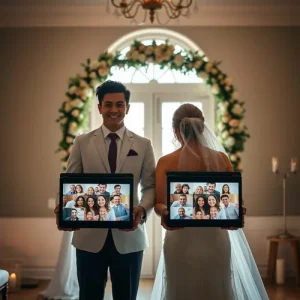
A distance wedding is a live-streamed or virtual marriage ceremony that enables family and friends to participate in real time, regardless of their location. Couples utilize dedicated streaming software, professional audio gear, and interactive digital elements to create an immersive experience for virtual guests.
Couples choose distance weddings for a wide range of practical reasons:
International Family Members: Bypassing travel restrictions, expensive flight tickets, or lengthy visa application processes.
Health and Mobility Constraints: Ensuring elderly grandparents or immunocompromised relatives can attend safely.
Military Deployments & Relocations: Accommodating couples or family members serving overseas.
Budget Optimization: Significantly reducing catering, venue rental, and decor costs while still sharing the moment with hundreds of guests.
According to annual industry surveys from The Knot, roughly 18% of couples now incorporate a virtual element into their wedding celebrations. Research from WeddingWire further highlights that remote guests report satisfaction levels comparable to in-person attendees when the couple prioritizes clear audio and high-quality video production.
Top Benefits of Hosting a Distance Wedding
Transitioning from a traditional venue to a virtual space unlocks several unique advantages:
Unmatched Inclusivity: Include loved ones across different time zones who otherwise could not attend due to work, budget, or physical limitations.
Reduced Financial Burden: Drastically lower guest-list costs, allowing you to reallocate your wedding budget toward a house down payment, honeymoon, or high-end photography.
Lower Environmental Footprint: Fewer flights and hotel stays mean a significantly smaller carbon footprint for your celebration.
Built-in Digital Memory: Virtual platforms allow you to record the entire ceremony automatically in high definition, creating an immediate keepsake to rewatch for anniversaries.
Is a Distance Wedding Legally Binding in the US?
Navigating the legalities of a distance wedding depends heavily on local jurisdiction. In the United States, marriage laws are determined at the state and county levels, meaning rules around “remote solemnization” vary across the country.
Before hosting your ceremony, complete the following legal checks:
Check County Clerk Policies: Contact the marriage license bureau in the county where you plan to apply to verify whether remote officiants or virtual ceremonies are accepted.
Verify Officiant Authorization: Ensure your officiant is legally licensed to perform marriages within the specific jurisdiction governing your marriage license.
Understand Physical Presence Rules: If your state requires physical presence, consider having a quick legal signing with a local justice of the peace, followed by your public distance wedding ceremony online.
Technology Essentials for a Flawless Virtual Stream
Technical glitches, muted microphones, and buffering video can instantly pull remote guests out of the moment. Investing in the right technology setup ensures your ceremony runs smoothly from opening remarks to the final kiss.
| Component | Recommended Specification | Why It Matters |
| Streaming Platform | Zoom Webinar, Vimeo Livestream, or Wedfuly | Supports 1080p video, guest capacities up to 500+, and custom password security. |
| Internet Bandwidth | Minimum 5–10 Mbps upload speed at the host site | Prevents stream buffering, frame drops, and audio desynchronization. |
| Audio Equipment | Wireless lapel (lavalier) mic or external USB mic | Eliminates wind, echo, and background noise so vows are crisp and audible. |
| Lighting Setup | Ring light or softbox positioned at a 45° angle | Fills in harsh shadows and highlights the couple clearly on camera. |
| Power Backup | Uninterruptible Power Supply (UPS) or portable battery pack | Protects against unexpected power loss or dead batteries during live vows. |
How to Keep Virtual Guests Engaged
The biggest challenge of a distance wedding is making remote attendees feel like active participants rather than passive viewers watching a screen.
1. Send Physical Favor & Program Kits
Mail physical invitations well in advance containing a printed ceremony program, a small bottle of champagne for a virtual toast, and a custom QR code linking directly to the live stream landing page.
2. Designate a Virtual Host or Tech Lead
Assign a tech-savvy friend or hire a dedicated virtual host to monitor the chat room, troubleshoot technical issues for elderly guests, manage microphone muting, and cue background music.
3. Incorporate Interactive Elements
Integrate interactive moments throughout the stream:
Open a digital guestbook where remote viewers can leave live video or text messages.
Host a virtual cocktail hour using platform breakout rooms immediately following the ceremony.
Display a live chat feed on a monitor near the altar so you can read guest congratulations in real time.
Frequently Asked Questions (FAQ)
Can you legally get married over Zoom in the US?
It depends on the state. Some US states (such as Utah) explicitly allow fully remote online marriages with digital licenses, while others require the couple and officiant to be physically present in the same location. Always confirm with your local county clerk.
How much does a distance wedding cost?
A distance wedding can cost anywhere from $500 to $3,000, depending on your choice of audio-visual gear, streaming software subscriptions, physical favors mailed to guests, and professional tech assistance. This is significantly less expensive than the average traditional US wedding.
How far in advance should we send virtual wedding invitations?
Send digital or physical save-the-dates 6 to 8 weeks in advance for a distance wedding. Even though guests do not need to book travel, they still need time to block off their schedules and ensure their home devices are ready.
Distance Wedding Guide: How to Plan a Remote Ceremony
A distance wedding proves that love isn’t defined by proximity. By combining thoughtful technological preparation with creative guest engagement strategies, you can host a legal, memorable, and stress-free ceremony that unites family and friends across the globe. Focus on clear communication, test your gear beforehand, and step into your new chapter with confidence.